
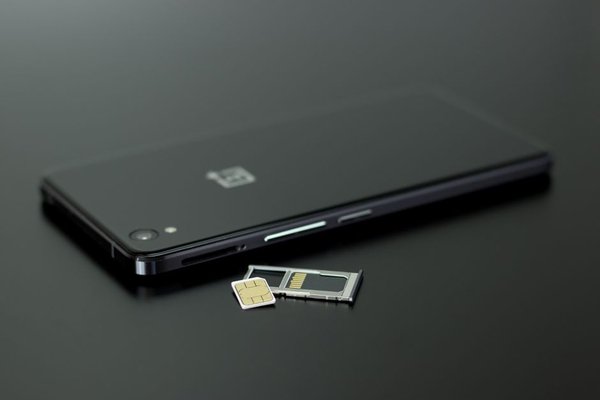
Buying a new phone in the UK is no longer a simple choice between paying upfront and spreading the cost. Flagship handsets now command premium prices, while network contracts can look affordable because the monthly figure hides the full cost over two or three years. The smarter comparison is what you will pay from purchase day to the end of the deal.
For many buyers, a SIM-free handset with a competitive SIM-only plan gives the best mix of value and flexibility. But a strong pay-monthly bundle can still be cheaper if the handset is discounted. The key is to compare like with like.
What is the difference between SIM-free and contract phones?
A SIM-free phone is bought separately from your mobile service. You pay for the handset outright, or use separate finance if available, then choose your own network plan. In the UK, mobile companies have been banned from selling locked handsets since December 2021, so moving between networks with a compatible phone is easier than it once was.
A contract phone, often advertised as a pay monthly phone UK deal, combines the handset cost with mobile service over a fixed term. Depending on the provider, the device and airtime may be separate agreements or parts of the same package. Either way, compare the total amount payable rather than only the headline monthly charge.
Which option usually costs less overall?
SIM-free can save more when you can afford the upfront handset price and are willing to shop around for airtime. SIM only phone deals UK customers can access are often much cheaper than full handset bundles because you are paying only for calls, texts and data. You can also change your allowance later without a handset repayment tied to the same decision.
Contract deals can compete when a network discounts the phone, adds a worthwhile trade-in bonus or offers interest-free device finance. The trap is assuming that spreading the cost means reducing it. A £40 monthly bill may feel easier than an £800 purchase, but over 24 or 36 months the final total can be higher.
A practical 24-month comparison
Imagine a phone costs £799 SIM-free and you pair it with a £12-a-month SIM for 24 months. Your two-year total is £1,087. Now compare that with a hypothetical contract at £46 a month for the same phone and similar data. If the price stayed unchanged, the 24-month total would be £1,104. In this example, SIM-free is £17 cheaper and gives you more freedom to change airtime plans.
The result can reverse if the contract includes a meaningful handset discount or the SIM-free buyer chooses an unnecessarily expensive plan. Always calculate the full-term cost for the exact deals you are considering.
Do annual contract price rises change the calculation?
Yes, and this is where older buying advice can be misleading. Since 17 January 2025, new UK consumer telecoms contracts cannot use inflation-linked or percentage-based price-rise terms for the core subscription price. If a provider builds a scheduled increase into a new contract, it must tell you before sign-up how much the price will rise in pounds and pence and when it will happen.
That makes contracts more predictable, but you still need to include those stated rises in your total. When comparing a contract with sim free phone deals, use the actual monthly amounts shown for each stage of the term rather than multiplying the opening price by the number of months.
Flexibility is where SIM-free has a clear advantage
With a SIM-free handset, your phone is not tied to a long device commitment. You can move to a cheaper network, reduce your data allowance or switch to a rolling SIM without replacing the handset. If you want to keep your number, you can request a PAC by texting PAC to 65075 and give the code to your new provider.
A contract handset can be less flexible because leaving early may trigger charges or require you to clear outstanding device payments. That matters if your circumstances change or a better network deal appears later.
When a contract phone can still be the better buy
A contract is often more practical if paying several hundred pounds upfront would drain your emergency savings. Even if the total cost is slightly higher, spreading payments may be worthwhile for cash-flow reasons. A contract can also make sense when a genuine handset promotion beats retail pricing.
Before signing, check the data allowance, roaming terms, upfront fee, scheduled price rises, contract length and early-exit charges. Do not assign value to entertainment subscriptions, bonus data or other extras you would never have bought separately.
When SIM-free is likely to suit you better
SIM-free is particularly attractive if you keep phones for three years or more. Once the handset is paid for, you can continue using low-cost airtime without a new device repayment. It also suits people who like to change networks, use dual-SIM or eSIM options, or buy previous-generation models rather than the latest release.
If your current phone still works well, keeping it and moving to a cheaper SIM-only plan can deliver a bigger saving than either buying SIM-free or starting a new handset contract.
How to compare deals properly before you buy
Start with the same handset model, storage capacity and condition. Add every unavoidable cost over the same period: handset price, upfront fee, monthly airtime, scheduled price increases and any financing charge. Subtract only discounts you will definitely receive.
Then compare coverage where you actually use the phone. A deal is poor value if the cheaper network performs badly at home, work or on your commute. If you plan to keep the handset, the freedom to move to a lower-cost SIM can matter more than a small first-year saving.
FAQs
Is SIM-free always cheaper than a phone contract in the UK?
No. SIM-free is often cheaper with a low-cost SIM-only plan, but discounted handset contracts can sometimes win. Compare the total payable over the same period.
Can I use any UK network with a SIM-free phone?
Usually, provided the handset supports the network’s required technology and bands. UK mobile providers cannot sell locked handsets, removing one of the main barriers to switching.
Do I need a credit check for a SIM-free phone?
Not when you buy the handset outright. Separate handset finance or some pay-monthly SIM plans may still involve eligibility or credit checks.
What is the biggest mistake when comparing phone deals?
Looking only at the upfront price or first monthly payment. The more useful figure is the full cost across the chosen period, including clearly stated future price rises.
So, which saves you more?
For buyers who can handle the upfront cost, SIM-free plus a well-priced SIM-only plan is often the stronger long-term choice because it combines competitive total cost with freedom to switch. Contract phones remain useful when cash flow matters or when a genuine handset promotion makes the full package cheaper.
Before choosing, calculate the complete cost for the exact phone and allowance you need. That comparison is more reliable than assuming one buying method always wins, and it can stop a convenient monthly payment becoming an expensive multi-year commitment.