
Manufacturing has always shaped the way people live. From the steel mills of the industrial era to today’s automated smart factories, production systems have powered economies, created jobs, and transformed everyday life. Yet for decades, the environmental cost of manufacturing remained largely hidden behind rising output and consumer demand. Heavy energy consumption, industrial waste, carbon emissions, and excessive resource extraction became deeply tied to global production systems.
That reality is beginning to shift. Across industries, manufacturers are rethinking how products are designed, sourced, assembled, packaged, and transported. The conversation is no longer limited to profit margins and production speed. Environmental responsibility has become part of the equation, and eco-friendly manufacturing solutions are now driving some of the most important innovations in modern industry.
What makes this transition interesting is that sustainability in manufacturing no longer feels experimental or niche. It is becoming practical, measurable, and in many cases surprisingly efficient. Factories once associated with smoke stacks and waste-heavy systems are increasingly adopting cleaner technologies, renewable energy, smarter materials, and circular production methods that reduce environmental impact without slowing productivity.
The Shift Toward Sustainable Production
For many years, manufacturing operated on a linear model. Raw materials were extracted, processed into products, consumed, and eventually discarded. This approach generated enormous amounts of waste while placing pressure on natural resources.
Eco-friendly manufacturing solutions aim to break that cycle. Instead of treating waste as unavoidable, modern sustainable production systems focus on minimizing material loss and extending the life cycle of products. The goal is not simply to produce less harm, but to create systems that actively conserve energy and resources.
This shift has accelerated because of several overlapping factors. Climate concerns have pushed industries to reduce emissions. Governments are introducing stricter environmental regulations. Consumers are becoming more conscious of how products are made. At the same time, manufacturers themselves are discovering that sustainable systems often lower long-term operational costs.
The result is a manufacturing landscape that looks very different from even a decade ago.
Renewable Energy Inside Modern Factories
One of the clearest changes can be seen in energy usage. Traditional factories have long depended on fossil fuels to power machinery, heating systems, and large-scale operations. Today, renewable energy is becoming increasingly common inside industrial facilities.
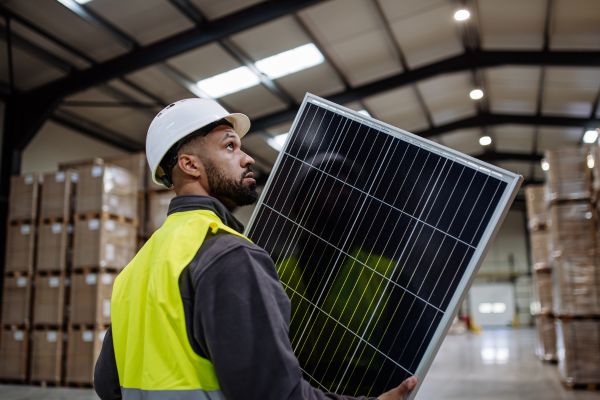
Solar panels now cover the rooftops of warehouses and assembly plants in many parts of the world. Wind energy is helping power industrial zones. Some facilities are investing in geothermal systems or biomass energy to reduce dependence on conventional power grids.
The impact goes beyond lowering emissions. Renewable energy systems can also create more stable long-term energy costs, especially as fuel prices fluctuate globally. In some cases, factories are generating enough renewable electricity to feed excess power back into local grids.
The integration of renewable energy with smart manufacturing systems is particularly significant. Advanced monitoring software can track energy usage in real time, helping facilities identify waste and optimize production schedules around energy availability.
Smart Factories and Energy Efficiency
Automation and digital technology are playing a major role in sustainable manufacturing. Smart factories equipped with sensors, artificial intelligence, and connected systems are becoming far more efficient than traditional industrial environments.
Machines can now detect when they are consuming excessive energy or operating inefficiently. Predictive maintenance systems identify equipment problems before breakdowns occur, reducing unnecessary downtime and wasted resources. Temperature, lighting, and ventilation systems can automatically adjust based on occupancy and production demands.
These improvements may sound small individually, but across large manufacturing facilities, they add up quickly.
Artificial intelligence is also helping manufacturers improve supply chain efficiency. Instead of overproducing goods that may sit in storage or become waste, companies can better forecast demand and adjust production levels more accurately. That balance reduces excess inventory and lowers material consumption.
In many ways, eco-friendly manufacturing solutions are becoming closely tied to data. The more precisely factories understand their operations, the easier it becomes to eliminate inefficiencies.
Recycled and Sustainable Materials
Materials themselves are changing as manufacturers search for alternatives to resource-intensive production methods. Recycled metals, reclaimed plastics, biodegradable packaging, and plant-based materials are becoming increasingly common across multiple industries.
In automotive manufacturing, recycled aluminum and lightweight composite materials are helping reduce both production emissions and vehicle weight. In consumer electronics, companies are experimenting with recycled rare-earth materials and more sustainable packaging systems. Textile manufacturers are developing fabrics made from recycled fibers and agricultural waste.
The construction industry has also seen major innovation. Sustainable concrete alternatives, recycled steel, and engineered wood products are changing how buildings are produced and assembled.
What makes these developments important is that sustainable materials are no longer viewed as inferior substitutes. Many are proving durable, cost-effective, and scalable enough for mass production.
At the same time, manufacturers are placing greater emphasis on sourcing transparency. Knowing where materials come from and how they are extracted has become part of the sustainability conversation. Ethical sourcing and environmental responsibility are increasingly connected.
Water Conservation in Industrial Processes
Water usage is another major challenge in manufacturing. Industries such as textiles, food processing, mining, and electronics production consume enormous quantities of water during production cycles.
Modern eco-friendly manufacturing solutions are increasingly focused on water conservation and reuse. Closed-loop water systems allow factories to recycle water multiple times before disposal. Advanced filtration technologies help remove contaminants and reduce industrial wastewater pollution.
Some facilities now harvest rainwater for non-potable industrial uses, while others rely on highly efficient cooling systems that dramatically lower water demand.
These changes matter because water scarcity is becoming a growing issue in many regions. Sustainable manufacturing is not only about emissions anymore; it is also about preserving critical natural resources that industries depend on for long-term stability.
The Rise of Circular Manufacturing
Perhaps one of the most transformative ideas in sustainable industry is the concept of circular manufacturing.
Instead of creating products designed for disposal, circular systems focus on reuse, refurbishment, repair, and recycling. Products are intentionally designed to last longer and to be easier to disassemble at the end of their life cycle.
Electronics companies are experimenting with modular designs that allow components to be replaced rather than discarding entire devices. Fashion brands are exploring textile recycling systems that turn old garments into new materials. Industrial manufacturers are recovering valuable metals and components from used machinery instead of relying entirely on new raw material extraction.
This approach reduces landfill waste while also decreasing pressure on natural resources.
Circular manufacturing requires a major mindset shift because it changes how companies think about ownership, product design, and waste management. Yet it is becoming increasingly attractive as resource costs rise and sustainability expectations grow.
Green Logistics and Transportation
Manufacturing does not end at the factory door. Transportation and logistics are also major contributors to industrial emissions.
As a result, companies are rethinking how products move through supply chains. Electric delivery vehicles, optimized shipping routes, and low-emission freight systems are becoming part of broader sustainability strategies.
Warehouses are adopting automation systems that reduce energy use while improving inventory management. Some companies are regionalizing production to shorten transportation distances and lower fuel consumption.
Packaging is changing too. Lightweight, recyclable, and biodegradable materials are replacing excessive plastic-heavy packaging in many industries.
These logistics improvements may seem less visible than factory innovations, but they are essential pieces of the larger sustainability puzzle.
Challenges Facing Sustainable Manufacturing
Despite the progress, the transition toward greener production is not without complications.
Many sustainable technologies require significant upfront investment. Smaller manufacturers may struggle to afford modern equipment or renewable energy systems. Supply chains can also be difficult to transform, especially when industries rely on global networks with varying environmental standards.
There are also technical challenges. Some recycled materials remain difficult to scale consistently. Renewable energy availability varies by region. Industrial sectors such as heavy steel and cement production still face major obstacles in achieving low-carbon operations.
Consumer expectations can create pressure as well. People increasingly want sustainable products, but they also expect affordability and convenience. Balancing environmental goals with economic realities remains one of the central tensions in modern manufacturing.
Still, innovation continues moving forward. What seemed expensive or impractical a decade ago often becomes more accessible as technology improves and adoption increases.
The Human Side of Green Manufacturing
An interesting aspect of sustainable manufacturing is how it affects workplace culture and industrial identity.
Younger generations entering the workforce often place greater importance on environmental responsibility. Manufacturers investing in cleaner operations may find it easier to attract talent interested in innovation and sustainability.
Communities located near industrial facilities also benefit when pollution and waste decrease. Cleaner air, reduced water contamination, and quieter energy systems can improve quality of life around manufacturing hubs.
In some regions, factories once viewed as environmental burdens are gradually becoming examples of industrial transformation. That change in perception reflects a broader cultural shift in how society thinks about production and progress.
Looking Ahead at the Future of Manufacturing
The future of manufacturing will likely depend on how successfully industries balance productivity with environmental responsibility. Eco-friendly manufacturing solutions are no longer isolated experiments; they are becoming central to how modern factories operate and evolve.
Artificial intelligence, advanced robotics, renewable energy integration, and sustainable material science are expected to continue reshaping industrial systems in the coming years. Governments, consumers, engineers, and manufacturers all play a role in determining how quickly these changes spread.
There is still a long way to go. Heavy industry remains one of the largest contributors to global emissions, and meaningful transformation requires cooperation across entire supply chains. Yet the momentum toward greener manufacturing is becoming difficult to ignore.
Conclusion
Manufacturing has entered a period of reinvention. The old assumption that industrial growth must come at the expense of the environment is increasingly being challenged by innovation, smarter technology, and changing priorities. Eco-friendly manufacturing solutions are showing that sustainability and efficiency do not always move in opposite directions.
From renewable-powered factories and recycled materials to circular production systems and intelligent automation, modern manufacturing is evolving into something more adaptive and resource-conscious. The transition is not perfect, nor is it complete, but it reflects a growing understanding that industrial progress must account for environmental impact as well as economic output.
As industries continue experimenting with cleaner technologies and more responsible production methods, manufacturing may become one of the most important spaces where sustainability shifts from theory into everyday reality.