
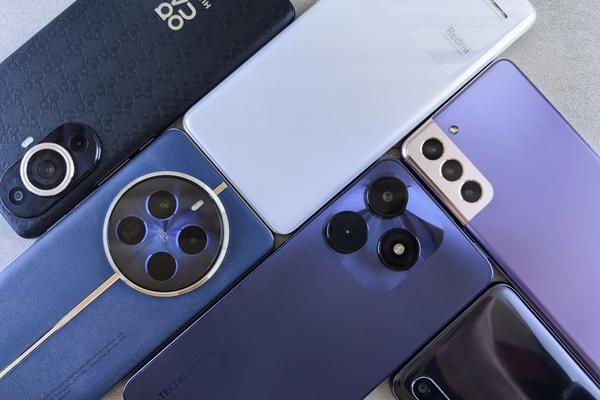
Camera quality is now the clearest dividing line between premium phones. The best camera phones UK buyers can choose in 2026 combine larger sensors, brighter lenses, stabilised telephoto cameras and sophisticated computational photography. Processing, colour consistency, autofocus and video tools often matter more than headline megapixels.
This comparison focuses on UK-available phones, judging their main cameras, zoom range, low-light potential and video capability. No model wins every category, so the right choice depends on what you shoot.
Best Camera Phones UK 2026: The Top Picks
Samsung Galaxy S26 Ultra: Best overall camera system
The Galaxy S26 Ultra is the most versatile all-round choice. Its rear system combines a 200MP f/1.4 main camera, 50MP ultrawide, 50MP 5x telephoto and 10MP 3x telephoto. That dual-telephoto arrangement covers portraits, travel details and distant subjects more smoothly than phones relying on one zoom lens.
Samsung offers up to 100x digital zoom, although lower magnifications are more useful. For buyers seeking the best zoom phone camera without sacrificing its other lenses, this is the safest premium pick.
Apple iPhone 17 Pro and Pro Max: Best for video creators
Apple’s Pro models remain the strongest choice for reliable video workflows. All three rear cameras use 48MP sensors, including a 4x telephoto that also provides an 8x optical-quality option through sensor cropping. Colour and exposure remain consistent when switching lenses, which matters greatly in video.
Support for 4K Dolby Vision, ProRes, ProRes RAW, Apple Log 2 and external recording makes this a complete camera phone for content creators using professional workflows. The Pro Max mainly adds a larger screen and battery; camera specifications are shared with the smaller Pro.
Google Pixel 10 Pro and Pro XL: Best point-and-shoot option
The Pixel 10 Pro pairs a 50MP main camera with a 48MP autofocus ultrawide and 48MP 5x telephoto. Its strength is how quickly Google’s processing produces a usable image. Night Sight, Face Unblur, Best Take and Zoom Enhance help with difficult family photographs, moving subjects and handheld night scenes.
The 42MP autofocus selfie camera is useful for groups and creator-facing video. Choose the Pixel when you want the best phone camera 2026 experience with minimal manual adjustment. Both Pro sizes share the same rear cameras.
OPPO Find X9 Pro: Best for telephoto portraits
OPPO’s Find X9 Pro is built around a 200MP 70mm telephoto camera with a large 1/1.56-inch sensor, optical stabilisation and a bright f/2.1 aperture. That focal length flatters portraits, while close focusing supports tele-macro photographs. A 50MP main camera with a 1/1.28-inch sensor and a 50MP ultrawide complete the system.
It is also a serious video option, offering 4K 120fps Dolby Vision and Log recording. Portrait photographers, concert-goers and travellers who regularly isolate distant details should place it near the top of their shortlist.
HONOR Magic8 Pro: Best for handheld night zoom
The Magic8 Pro combines a 50MP f/1.6 main camera with a 200MP 3.7x telephoto using a large 1/1.4-inch sensor. HONOR rates stabilisation on the main and telephoto cameras at CIPA 6.5 stops, giving the phone strong hardware for handheld evening scenes and longer zoom exposures.
Its 50MP ultrawide and 50MP front camera make the package balanced. Photographers who prefer a restrained look should compare standard and AI-enhanced settings.
Xiaomi 15 Ultra: Best camera-style hardware and controls
Although no longer the newest model here, the Xiaomi 15 Ultra remains one of the most photography-focused phones officially sold in the UK. Its 50MP main camera uses a one-inch sensor and f/1.63 lens, giving it strong light-gathering potential and natural depth at close distances.
The system also includes a 200MP 100mm telephoto, 50MP 70mm floating telephoto and 50MP ultrawide. Leica colour profiles, RAW controls and 10-bit Log across focal lengths appeal to experienced users. It is ideal for someone who wants a phone to behave more like a compact camera, although the large camera housing is a trade-off.
Sony Xperia 1 VIII: Best for manual control and action
Sony takes a different approach. The Xperia 1 VIII offers a 48MP-effective main camera, 48MP-effective ultrawide and a larger 70mm telephoto sensor than its predecessor. Its Alpha-inspired interface, eye autofocus, subject tracking and bursts of up to 30 frames per second favour photographers who understand shutter speed, focus and timing.
It records 4K HDR video up to 120fps and supports RAW files. Sony’s restrained processing demands more involvement, suiting enthusiasts who prefer control over automatic social-media-ready results.
How to Choose the Right Camera Phone
Match the lenses to your subjects
Travel and wildlife shooters benefit from Samsung, OPPO or HONOR telephoto hardware. Portrait specialists should examine focal length and skin-tone rendering rather than maximum digital zoom. For children, pets and sport, autofocus reliability and burst shooting matter more than a 200MP mode.
Do not judge a camera by megapixels alone
A large sensor can collect more light, but lens quality, stabilisation and processing determine how much of that advantage survives in the final photograph. High-resolution modes work best in good light with a steady subject. At night, phones commonly combine pixels and multiple exposures to control noise.
Consider the complete creator workflow
Imagine a creator filming a restaurant review. The iPhone offers dependable lens switching and professional video formats; the OPPO provides stronger telephoto reach for food details; the Pixel simplifies quick editing and sharing. The best choice depends on whether footage will be colour-graded, edited on the phone or posted immediately.
Frequently Asked Questions
Which phone has the best camera in the UK in 2026?
The Samsung Galaxy S26 Ultra is the strongest all-rounder because it combines a capable main camera, ultrawide and two useful telephoto focal lengths. The iPhone 17 Pro is better for many video creators, while OPPO and HONOR are especially competitive for zoom photography.
Which camera phone is best for low light?
The Xiaomi 15 Ultra’s one-inch main sensor gives it strong low-light potential, while the Galaxy S26 Ultra, Find X9 Pro and Magic8 Pro combine bright lenses, stabilisation and multi-frame processing. Results vary by lens because telephoto sensors are usually smaller than main sensors.
Is optical zoom better than digital zoom?
Generally, yes. Optical zoom uses the lens to frame a distant subject without simply enlarging pixels. High-resolution sensor crops and computational processing can produce good intermediate results, but extreme digital zoom should be treated as a convenience rather than guaranteed detail.
Do content creators need a Pro or Ultra phone?
Not always. A flagship is worthwhile when you need telephoto reach, advanced stabilisation, RAW files, Log video or long recording sessions. Creators who mainly film in bright light for social platforms may get better value from a standard flagship with a strong main camera.
The Best Choice Depends on What You Shoot
The 2026 camera-phone market is less about finding one universal winner and more about selecting the right imaging system. Samsung offers the broadest versatility, Apple leads professional video workflow, Google makes difficult shots easier, and OPPO, HONOR, Xiaomi and Sony serve more specialised photographers. Decide which focal lengths you use, how much editing you enjoy and whether video or stills matter most. That will reveal the phone whose advantages you will actually notice.